Pairing Wine with Pizza: A Complete Guide
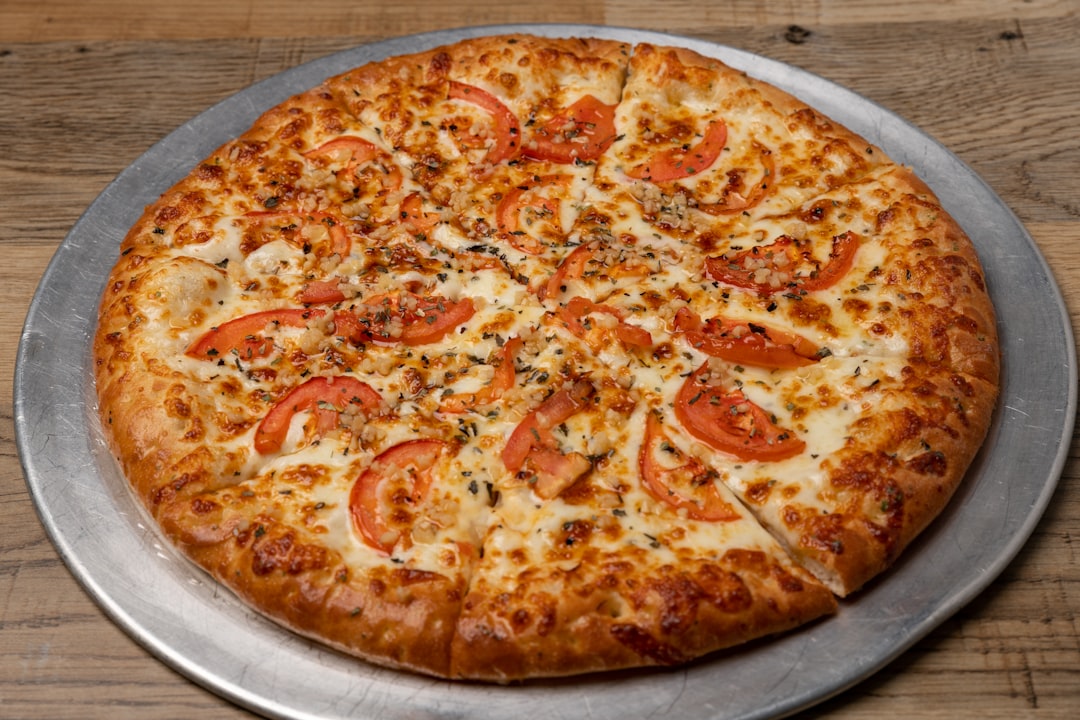
Pizza and wine are two of Italy's greatest culinary gifts to the world, and when paired correctly, they create a dining experience that transcends the sum of their parts. While pizza might seem casual compared to formal wine pairings, the right combination can elevate your meal from good to extraordinary. At Apache Pizza, we believe every meal deserves thoughtful consideration, so we're sharing our expertise on matching wines with different pizza styles.
Understanding the Basics of Food and Wine Pairing
Before diving into specific combinations, it's helpful to understand the principles that guide successful food and wine pairings. The goal is to create harmony between the food and wine, where neither overwhelms the other and each enhances the other's best qualities.
Consider the weight and intensity of both the pizza and the wine. Lighter pizzas with delicate toppings pair well with lighter wines, while rich, heavily-topped pizzas require more robust wines that won't be overpowered. The sauce also plays a crucial role—tomato-based sauces have acidity that must be balanced, while white sauce pizzas offer different pairing opportunities.
Acidity in wine can cut through richness and cleanse your palate between bites, making it particularly important for fatty or cheese-heavy pizzas. Tannins in red wines complement proteins and can stand up to bold flavors. Sweetness in wine should generally be balanced with spicy or salty elements in the food.
Classic Margherita: The Traditional Pairing
The Margherita pizza is where pizza and wine pairing traditions began. This simple yet elegant pizza features tomato sauce, fresh mozzarella, basil, and olive oil—flavors that demand a wine that respects their delicate balance.
The classic pairing is Chianti, a medium-bodied Italian red wine with bright acidity and notes of cherry and herbs. The acidity in Chianti complements the tomato sauce beautifully, while its moderate tannins work with the cheese without overwhelming it. The herbal notes echo the fresh basil, creating a harmonious experience.
Alternative options include Barbera, another Italian red with high acidity and low tannins, or for white wine lovers, a crisp Pinot Grigio. The key is maintaining that balance of acidity to match the tomatoes while respecting the simplicity of the toppings.
Pepperoni Pizza: Bold Flavors Need Bold Wines
Pepperoni's spicy, savory character and fatty richness call for a wine with enough personality to stand up to these strong flavors. The salt and fat content also influence which wines will work best.
A fruity Zinfandel or Primitivo is an excellent choice. These wines have enough fruit-forward character to balance the spice while their alcohol content and body match the richness of the pepperoni. The slight sweetness in these wines also helps tame the heat from the pepperoni.
For those who prefer Italian wines, a Nero d'Avola from Sicily offers similar characteristics with a Mediterranean twist. Its dark fruit flavors and spicy notes complement pepperoni perfectly. If you're looking for something unexpected, try a rosé with good structure—the wine's acidity cuts through the fat while its fruity notes balance the spice.
White Pizza: A Different Approach
White pizzas, made without tomato sauce and featuring ricotta, mozzarella, and often garlic, require a completely different pairing strategy. Without tomato acidity to consider, you can focus on complementing the creamy, rich cheese and aromatic garlic.
A buttery Chardonnay works beautifully here, especially if it has some oak aging. The wine's richness matches the creamy cheese, while its acidity prevents the pairing from becoming too heavy. The slight vanilla notes from oak aging can complement garlic's sweetness.
Alternatively, consider a Vermentino or Soave—Italian white wines with good acidity and mineral character that can lighten the richness of the cheese while adding complexity to the pairing. These wines refresh your palate between bites, allowing you to fully appreciate each slice.
Meat-Lovers Pizza: Power Pairings
When your pizza is loaded with sausage, bacon, ham, and other meats, you need a wine with serious structure and body. The protein and fat content demand bold flavors and substantial tannins.
Cabernet Sauvignon is the go-to choice for meat-heavy pizzas. Its full body, firm tannins, and dark fruit flavors hold their own against multiple meat toppings. The tannins actually help digest the proteins, making the meal feel less heavy.
Syrah or Shiraz also works exceptionally well, offering peppery notes that complement seasoned meats while maintaining the body needed to match the pizza's richness. For Italian wine enthusiasts, a Barolo or Barbaresco provides elegance alongside power, though these premium wines might be reserved for special occasions.
Vegetarian Pizza: Fresh and Vibrant Pairings
Vegetable-topped pizzas featuring mushrooms, peppers, onions, and other garden ingredients call for wines that highlight their fresh, earthy qualities without overwhelming them.
Pinot Noir is often called the most versatile food wine, and it shines with vegetarian pizzas. Its light to medium body, bright acidity, and earthy undertones complement vegetables beautifully. The wine's subtle complexity enhances the various vegetable flavors without dominating them.
For white wine lovers, a Sauvignon Blanc offers crisp acidity and herbal notes that work wonderfully with green vegetables and lighter cheese. If your vegetarian pizza includes mushrooms, consider a Sangiovese—its earthy character creates a beautiful synergy with mushroom's umami qualities.
BBQ Chicken Pizza: Sweet and Savory Balance
BBQ chicken pizza presents unique pairing challenges with its combination of tangy barbecue sauce, tender chicken, and often sweet elements like red onions or even pineapple. This flavor profile requires a wine that can bridge sweet, savory, and smoky elements.
A Malbec from Argentina offers just the right balance. Its ripe fruit flavors complement the sweetness of BBQ sauce, while its medium to full body matches the chicken. The wine's subtle smokiness even echoes the barbecue flavors.
Alternatively, a Grenache rosé provides enough body to handle chicken while its fruit-forward character and refreshing acidity balance the sweet-savory sauce. For those who prefer whites, an off-dry Riesling surprisingly works—its slight sweetness harmonizes with BBQ sauce while its acidity cuts through the richness.
Spicy Pizza: Cooling the Heat
When your pizza features jalapeños, hot peppers, or spicy sauce like our Apache Special, you need wines that can handle heat without amplifying it. Contrary to intuition, high-alcohol, tannic wines actually make spicy food feel hotter.
Off-dry Riesling is the classic pairing for spicy food. Its slight sweetness cools the palate, while its lower alcohol content doesn't intensify the heat. German Rieslings, particularly those labeled "Kabinett" or "Spätlese," work beautifully.
Sparkling wines like Prosecco or Cava also excel with spicy pizzas. The bubbles cleanse your palate, the low alcohol doesn't intensify heat, and the slight sweetness in many sparklers provides relief. Plus, who doesn't love the celebratory feel of sparkling wine?
Regional Considerations
The old adage "what grows together goes together" holds true for pizza and wine. Italian wines have evolved alongside Italian cuisine for centuries, creating natural harmonies. When in doubt, choosing an Italian wine for your pizza is rarely wrong.
However, don't feel constrained by geography. Modern pizza has evolved far beyond its Italian origins, incorporating global flavors and techniques. Similarly, excellent wines are produced worldwide, and successful pairings can come from unexpected sources.
Consider also the meal's context. A casual Friday night pizza might call for an approachable, affordable wine, while a special occasion could warrant something more premium. The best wine is ultimately one that suits your taste and the moment.
Temperature Matters
Serving wine at the proper temperature significantly impacts how it pairs with food. Red wines are often served too warm, which makes them taste more alcoholic and less balanced. Aim for slightly below room temperature—around 16-18°C for full-bodied reds and 12-15°C for lighter reds.
White wines should be chilled but not ice-cold, which mutes their flavors. Remove them from the refrigerator about 15 minutes before serving, aiming for 8-12°C. Sparkling wines can go a bit colder, around 6-8°C, which enhances their refreshing quality.
Practical Tips for Home Pizza Night
When ordering from Apache Pizza for a group, consider ordering multiple wines to accommodate different pizza styles. A light red like Pinot Noir and a crisp white like Pinot Grigio cover most bases and please diverse palates.
Don't stress about finding the "perfect" pairing. Wine should enhance enjoyment, not create anxiety. Start with general guidelines, then experiment based on your preferences. Take notes on combinations you enjoy to build your personal pairing knowledge.
Remember that personal preference always trumps rules. If you genuinely enjoy a particular wine with pizza, regardless of conventional pairing wisdom, that's the right choice for you. The goal is pleasure, not adherence to arbitrary rules.
Beyond Wine: Other Beverages
While this guide focuses on wine, it's worth noting that other beverages can complement pizza beautifully. Craft beers offer their own pairing possibilities—IPAs with spicy pizzas, stouts with meat-heavy options, wheat beers with lighter styles.
Non-alcoholic options matter too. Italian sparkling water with lemon cleanses the palate wonderfully, while premium sodas can provide sweetness that balances savory flavors. The key is thoughtful selection rather than defaulting to whatever's convenient.
Enhance Your Pizza Experience
Ready to put these pairing principles into practice? Order from Apache Pizza and select the perfect wine to complement your meal.
Order Now